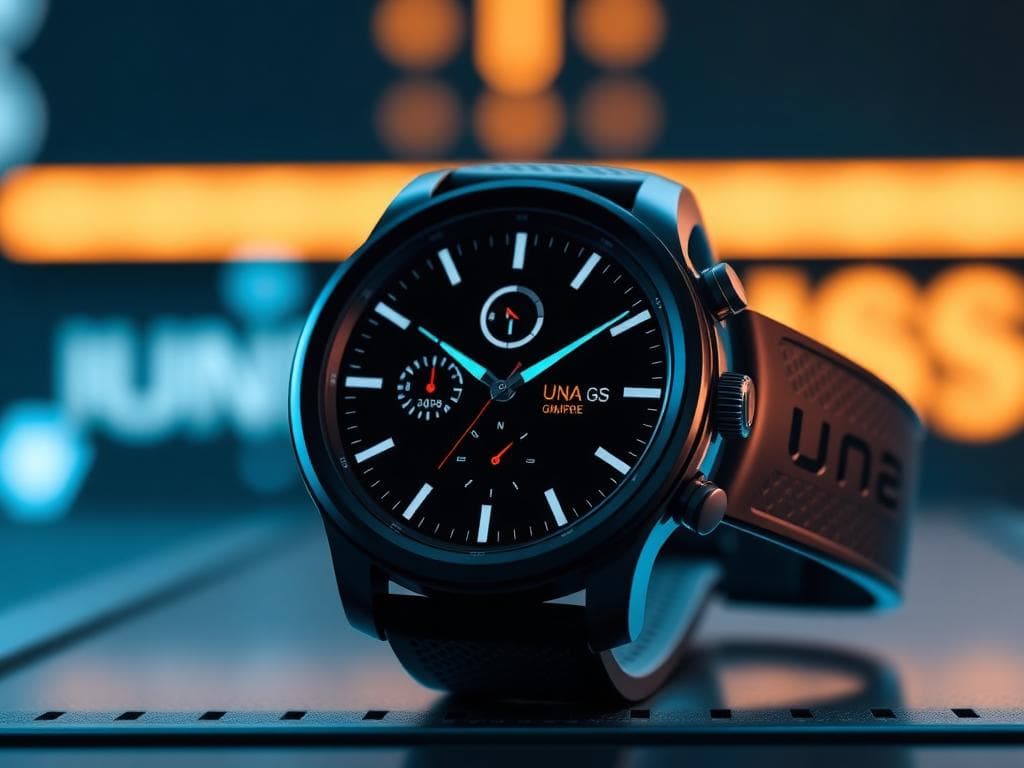
UNA GPS Watch Introduces Repairable, USB-C, Developer-Friendly Design
A new entrant in the smartwatch arena is challenging the status quo of disposable consumer electronics. The UNA GPS smart watch, developed by a Scottish engineering team, is designed to be repairable, upgradeable, and developer-friendly, directly addressing the growing consumer demand for sustainable and user-owned technology.
The device is set to launch on July 28, 2026, at 3 PM BST, as confirmed by the company's Instagram announcements. This launch date positions UNA as a summer 2026 release, aiming to capture attention from both outdoor enthusiasts and the tech community.
A Repairable Design Philosophy
Unlike most modern smartwatches that are sealed units, UNA provides users with easy access to its internal components. The company's website emphasizes that when one part fails, the whole watch shouldn't be replaced, a direct critique of industry giants like Apple and Garmin.
This modular approach allows for straightforward replacement of a cracked screen or a degraded battery. The watch is built around a core belief that technology can be sustainable, reducing electronic waste and extending product lifespan.
Technical Specifications and Features
UNA focuses on core athletic tracking without unnecessary bloat. It includes advanced heart rate monitoring and multi-satellite GPS for accurate location tracking during runs, rides, and hikes. The watch seamlessly syncs with Strava via a companion mobile app available on both iOS and Android.
One of the most notable hardware features is its USB-C charging. This standard port eliminates the need for proprietary charging cables, a welcome move for travelers and those seeking a unified charging ecosystem.
Open Developer Platform
Perhaps the most intriguing aspect of UNA is its open developer platform. The company offers developers access to the tools, data, and sensors necessary to build custom applications and experiences. This positions UNA as a potential platform for niche sports tracking, research, or specialized industrial use.
This approach contrasts sharply with the closed ecosystems of Apple Watch and Wear OS, giving developers a level of control typically seen in open-source hardware projects. The watch is described as an open-source wearable that is 'designed to be owned 100% by you.'
Water Resistance Limitations
While UNA's modular design offers repair advantages, it comes with a significant trade-off. The watch is rated IPX5, meaning it is splash and showerproof but not submersible. The company explicitly states that swimming is not a supported activity.
This limitation, highlighted in a Hacker News discussion, is a notable weakness compared to competitors like the Garmin Fenix series, which offer 10 ATM water resistance. Users who frequently engage in water sports or live in rainy climates may need to weigh this carefully.
Pricing and Availability
As of the latest updates, the final pricing for the UNA watch has not been publicly disclosed. The company is actively engaging with potential customers on Instagram, asking for feedback on features and pricing. The watch will be available for purchase starting July 28, 2026.
The company is based in Scotland and was built by a team of engineers who grew tired of the lack of sustainability in modern tech. Their mission is to create a product that 'lasts for a lifetime of adventure - not landfill.'
Market Impact and Analysis
UNA enters a market dominated by Apple, Garmin, and Samsung, but its value proposition is unique. By prioritizing repairability and developer openness, it targets a niche but passionate audience of sustainability advocates and tech enthusiasts.
The watch's IPX5 rating will likely be its most controversial feature. For many, the inability to swim or shower with the watch will be a dealbreaker. However, for those who prioritize longevity and customization over ruggedness, UNA offers a compelling alternative.
The success of UNA will depend on its final price point and the quality of its developer tools. If the company can deliver a reliable, repairable watch at a competitive price, it could set a new standard for sustainable wearable technology.
Related News

Anthropic Files S-1 for IPO, Eyes Nasdaq Listing Under 'ANT'

Why OpenAI and Anthropic Slashed LLM Prices by 80%

10-Year-Old CNN Beats Frontier LLMs in Skin Cancer Diagnosis Test

Cerebras Details Trillion-Parameter AI Model Deployment on Wafer-Scale Chips

AI's Economic Payoff Still Confined to Tech Sector, Data Shows
