Project Hail Mary Credits Feature Real Astrophotography Over CGI
Hollywood Chooses Real Skies for Sci-Fi Finale
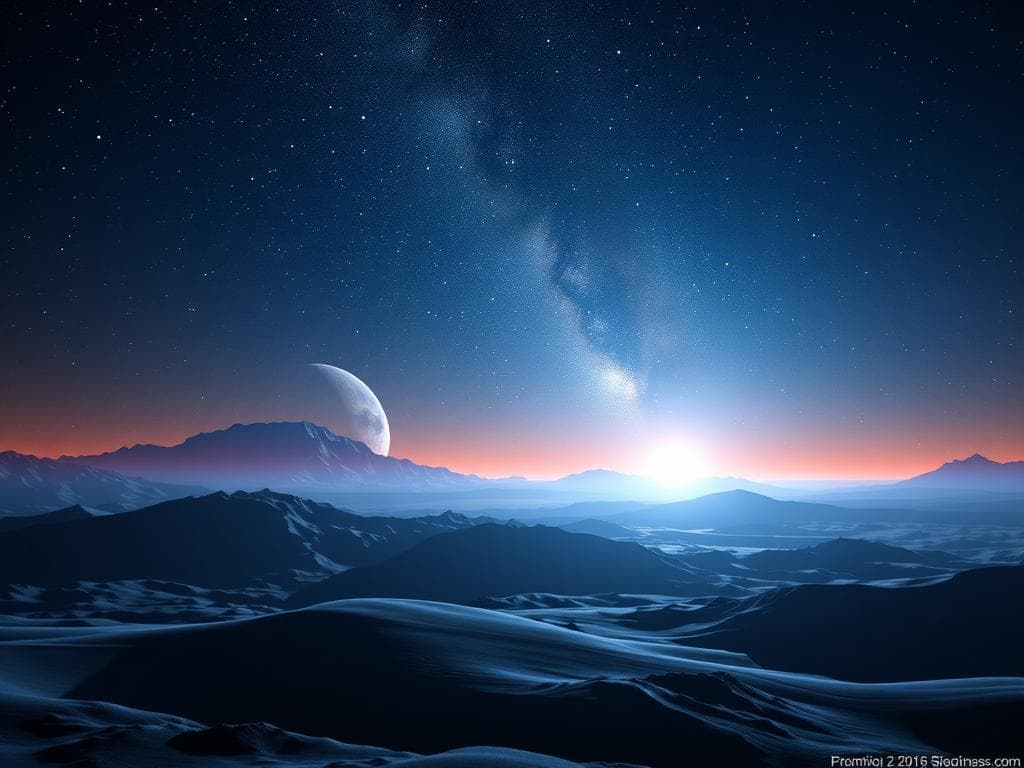
The end credits of the major sci-fi film Project Hail Mary feature a surprising and authentic cosmic backdrop. Scrolling alongside the names of the cast and crew are the deep-sky astrophotographs of Brisbane-based imager Rod Prazeres. This decision by the production team to license real astronomical data, instead of generating CGI backgrounds, marks a notable win for the astrophotography community and underscores the film's thematic commitment to scientific wonder.
Prazeres revealed the collaboration in a March 2026 blog post, describing initial contact via an unexpected Instagram message from a Los Angeles production company. "It felt unreal," he wrote, noting the process evolved from discussions about a single sequence to providing imagery for the entire credit roll. The studio's interest in using genuine nebula structures, captured over countless hours, resonated deeply in an era dominated by artificial imagery.
The Technical Artistry Behind the Starless Skies
To serve the film's needs, Prazeres delivered specially prepared "starless" versions of his work. This technical choice allowed motion designers to overlay typography cleanly without bright points of light competing for attention. The underlying vibrant colors and intricate gaseous structures, however, remain entirely authentic.
His process, as detailed in his post and corroborated by Astronomy Magazine, relies on high-end equipment and meticulous technique. Prazeres primarily uses two setups: a William Optics RedCat 51 II and an Askar 130PHQ telescopes, paired with a ZWO ASI2600MM Pro monochrome camera on a Sky Watcher NEQ6 Pro mount.
The magic lies in the use of narrowband filters, which isolate specific wavelengths of light emitted by elements like hydrogen and oxygen within nebulae. This technique reveals structures far too faint for standard photography and allows for the creation of the iconic, colorful palette associated with deep-space imaging.
- Capture: Hundreds of long exposures (5-10 minutes each) are taken over multiple nights.
- Processing: Frames are calibrated, aligned, and stacked to reduce noise and enhance signal.
- Artistry: Final processing reveals detail while staying faithful to the data, explicitly avoiding generative AI.
A Film Rooted in Scientific Optimism
The choice to use real astrophotography aligns with the film's overall tone, which reviewers have described as an "optimistic look towards the stars." As noted by Space.com, the film "adores" space, building its narrative around "a sense of wonder and scientific curiosity." This stands in contrast to grittier survival stories, aiming instead to inspire.
This scientific ethos extended beyond the credits. According to a NASA release, the agency provided informal consultation on human spaceflight and astrobiology themes. NASA astronaut Kjell Lindgren even consulted with star Ryan Gosling on set. The agency's "meatball" and "worm" logos appear in the film, and astronauts aboard the International Space Station screened it during their mission.
Why This Collaboration Matters
In a visual effects landscape increasingly powered by AI and computer generation, the deliberate selection of real astrophotos is a significant statement. It validates the years of skill, patience, and technical investment required for deep-sky imaging. For Prazeres, the recognition was profoundly personal.
"Grateful that a big production still values real artistry from an independent astrophotographer on the other side of the world," he wrote. He plans to see the film on release night with his family, turning it into a celebration of a milestone he "never expected."
The collaboration also serves as a powerful bridge between scientific pursuit and popular culture. It visually reinforces the film's core message: that the real universe is stunningly beautiful and worthy of our curiosity. As NASA's Will Boyington stated, such collaborations "bring that sense of discovery to a wider audience" and help inspire future generations.
Ultimately, the scrolling nebulae in the Project Hail Mary credits are more than just a pretty backdrop. They are a testament to real human exploration of the cosmos, a hand-crafted artifact of science and art finding a home on the silver screen. In an age of synthetic imagery, authenticity has never looked more spectacular.
Related News

Cerebras Details Trillion-Parameter AI Model Deployment on Wafer-Scale Chips
AI's Economic Payoff Still Confined to Tech Sector, Data Shows

AI Image Generation in 2026: A Practical Guide to Models, Costs, and Agents

Block's Dessa: AI Voice Model Trained Only on Speech

NVIDIA OpenShell: A Secure Runtime for Autonomous AI Agent Fleets
