iOS 26.3 Update Brings AirPods-Like Pairing to Third-Party Devices in EU
iOS 26.3 Update: A New Era for Interoperability
Apple's latest iOS update, version 26.3, brings a significant change to the way iOS devices interact with third-party accessories in the European Union. The update introduces an AirPods-like pairing experience for non-Apple devices, marking a substantial shift towards greater interoperability.
This development is a direct response to the European Union's Digital Markets Act (DMA), which aims to promote competition and innovation by requiring large technology companies to open up their ecosystems to third-party developers.
The Digital Markets Act: Driving Interoperability
The DMA is a landmark legislation that seeks to regulate the activities of large technology companies, known as 'gatekeepers,' and promote a more competitive and innovative digital market. One of the key provisions of the DMA is the requirement for gatekeepers to enable interoperability between their services and those of third-party providers.
- Enable seamless connectivity between iOS devices and non-Apple accessories
- Promote competition and innovation in the digital accessories market
- Foster a more open and interoperable digital ecosystem
Technical Details: How AirPods-Like Pairing Works
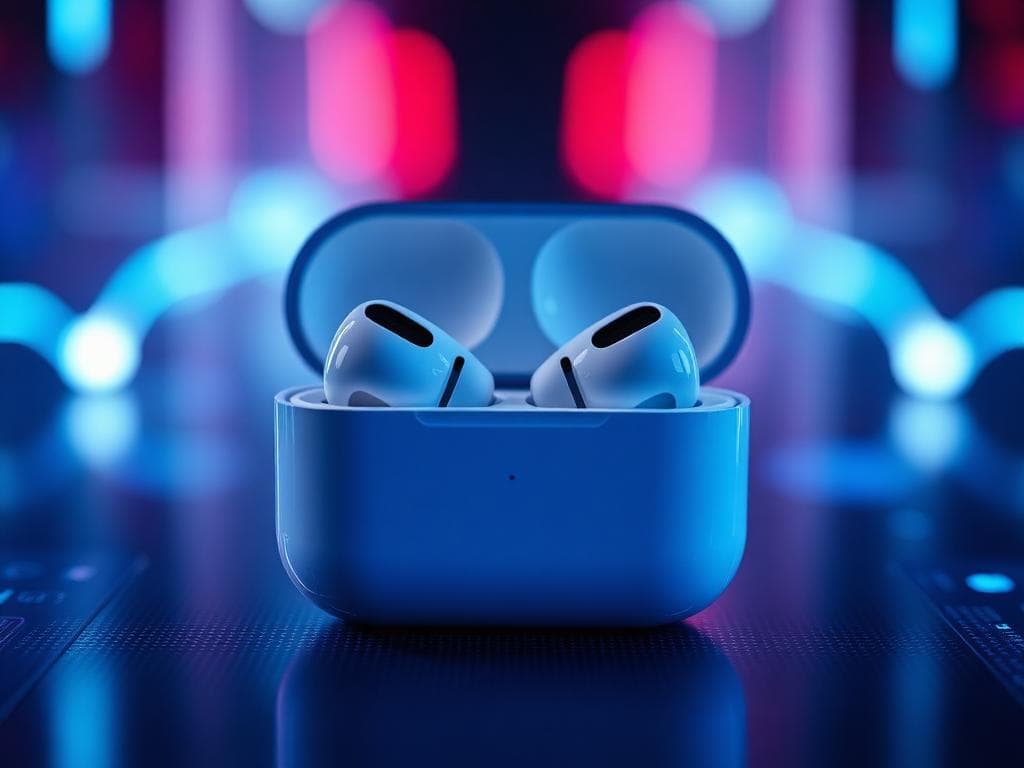
The AirPods-like pairing feature in iOS 26.3 is designed to simplify the process of connecting third-party devices to iOS devices. When a user brings a compatible third-party accessory near their iOS device, they will be prompted to pair the device, much like they would with Apple AirPods.
This streamlined pairing process is made possible by a new API (Application Programming Interface) introduced in iOS 26.3, which allows third-party developers to integrate their devices with iOS. The API provides a standardized framework for device discovery, pairing, and connectivity, making it easier for developers to create interoperable accessories.
Implications for the Future of AI and IoT Development
The introduction of AirPods-like pairing for third-party devices has significant implications for the future of AI and IoT development. By enabling seamless connectivity between iOS devices and a wider range of accessories, Apple is creating new opportunities for developers to create innovative AI-powered devices and services.
For instance, the enhanced interoperability between iOS devices and third-party accessories could lead to the development of more sophisticated AI-powered home automation systems, wearable devices, and other IoT applications.
Related News
AI's Economic Payoff Still Confined to Tech Sector, Data Shows

AI Image Generation in 2026: A Practical Guide to Models, Costs, and Agents

Block's Dessa: AI Voice Model Trained Only on Speech

NVIDIA OpenShell: A Secure Runtime for Autonomous AI Agent Fleets

WorldTUI: A 360M Model That Simulates a Terminal Without a Shell